How does Printer Refurbishment work? A Practical Guide for Businesses and Schools
How does Printer Refurbishment work? It is a detailed process that turns a carefully selected used machine into reliable office equipment ready for many more years of service. Rather than simply cleaning a printer and offering it for resale, professional refurbishment involves inspection, testing, servicing, replacement of worn components and careful preparation for installation. For schools and businesses seeking dependable equipment without the cost of buying new, a properly refurbished printer can provide excellent long-term value.
How does Printer Refurbishment work? The Initial Inspection
The process begins with selecting a suitable machine. Not every used printer or photocopier is a good candidate for refurbishment. Its age, print history, general condition, availability of replacement parts and expected performance must all be considered before work begins.
At V Technical, refurbished machines are hand-selected from UK stock before being brought into the company’s workshop in Kent. Skilled engineers examine the printer’s casing, internal mechanisms, paper-handling system, control panel and electrical components. They also check the machine’s service records and usage figures where available.
This inspection helps identify faults, damaged parts or signs of excessive wear. Machines that cannot meet the required standards are not prepared for customers, helping ensure that refurbished stock remains dependable.
Cleaning and Preparing the Printer
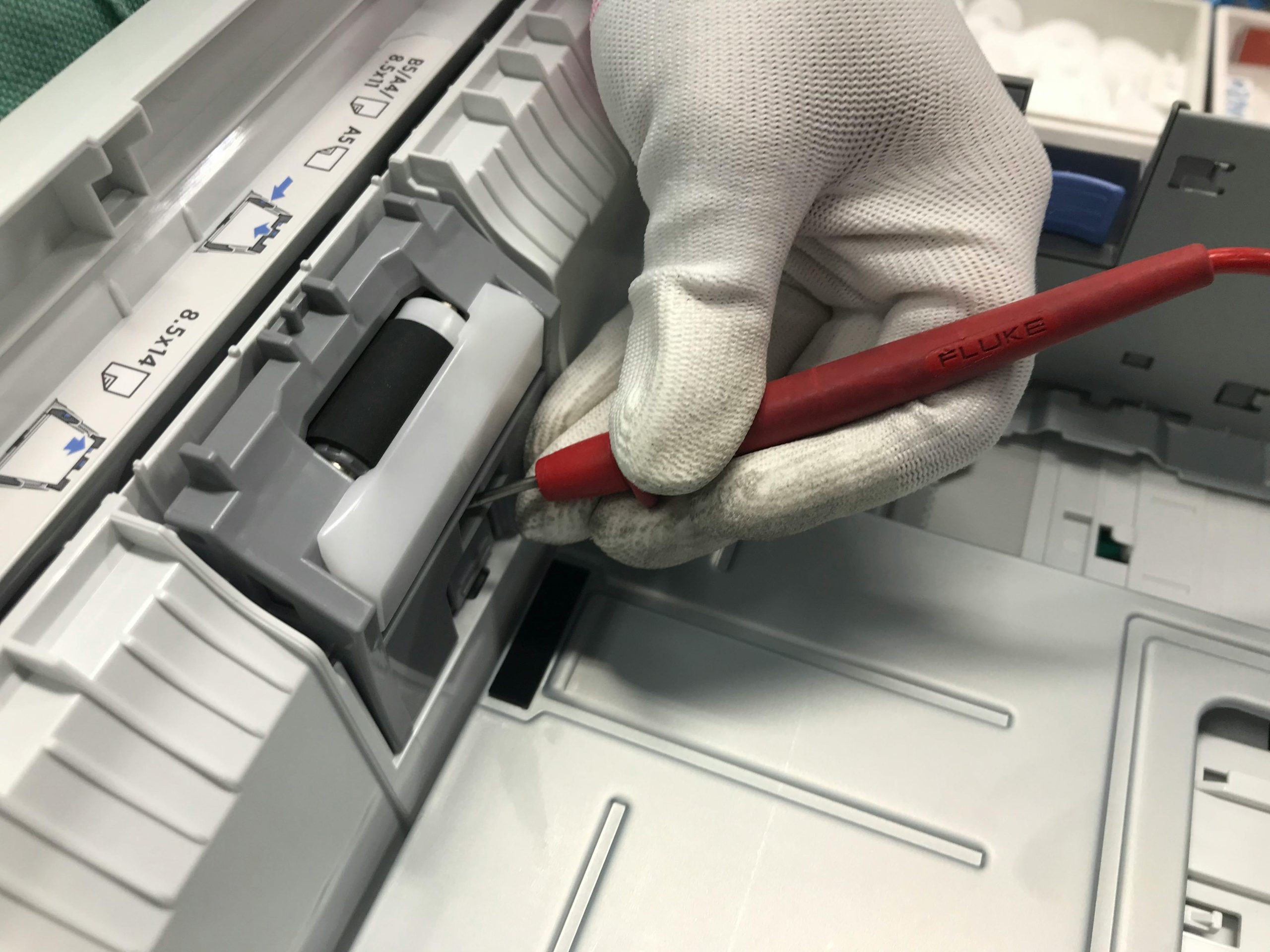
Printers and multifunction devices collect paper dust, toner residue and other debris during regular use. A thorough internal and external clean is therefore an essential stage of refurbishment. Engineers remove accessible covers and components so that areas hidden during normal cleaning can be inspected and prepared properly.
Paper paths, feed rollers, sensors and toner areas are cleaned to reduce the risk of paper jams, marks on printed pages or unreliable feeding. The outer panels are also cleaned so that the machine looks presentable when delivered. Cosmetic marks may remain on some refurbished equipment, but these should not affect its operation.
Cleaning is not just about appearance. Dust and toner build-up can affect sensors, moving parts and print quality, so careful preparation supports more dependable performance.
How does Printer Refurbishment work? Replacing Worn Components
Once the printer has been cleaned, engineers assess the condition of components that experience wear during everyday use. Depending on the make, model and print volume, these may include rollers, transfer units, drums, fuser parts, seals or paper-feed components.
Any parts that are damaged or unlikely to provide reliable service are repaired or replaced. The machine’s settings and firmware may also be checked, allowing engineers to confirm that the printer is operating correctly and is ready to join a modern office or school network.
The exact work varies between machines. A lightly used desktop printer may require fewer replacement parts than a high-volume multifunction photocopier that has served a busy workplace. The objective remains the same: to restore dependable performance rather than simply make the equipment appear newer.
Testing Print Quality and Machine Functions
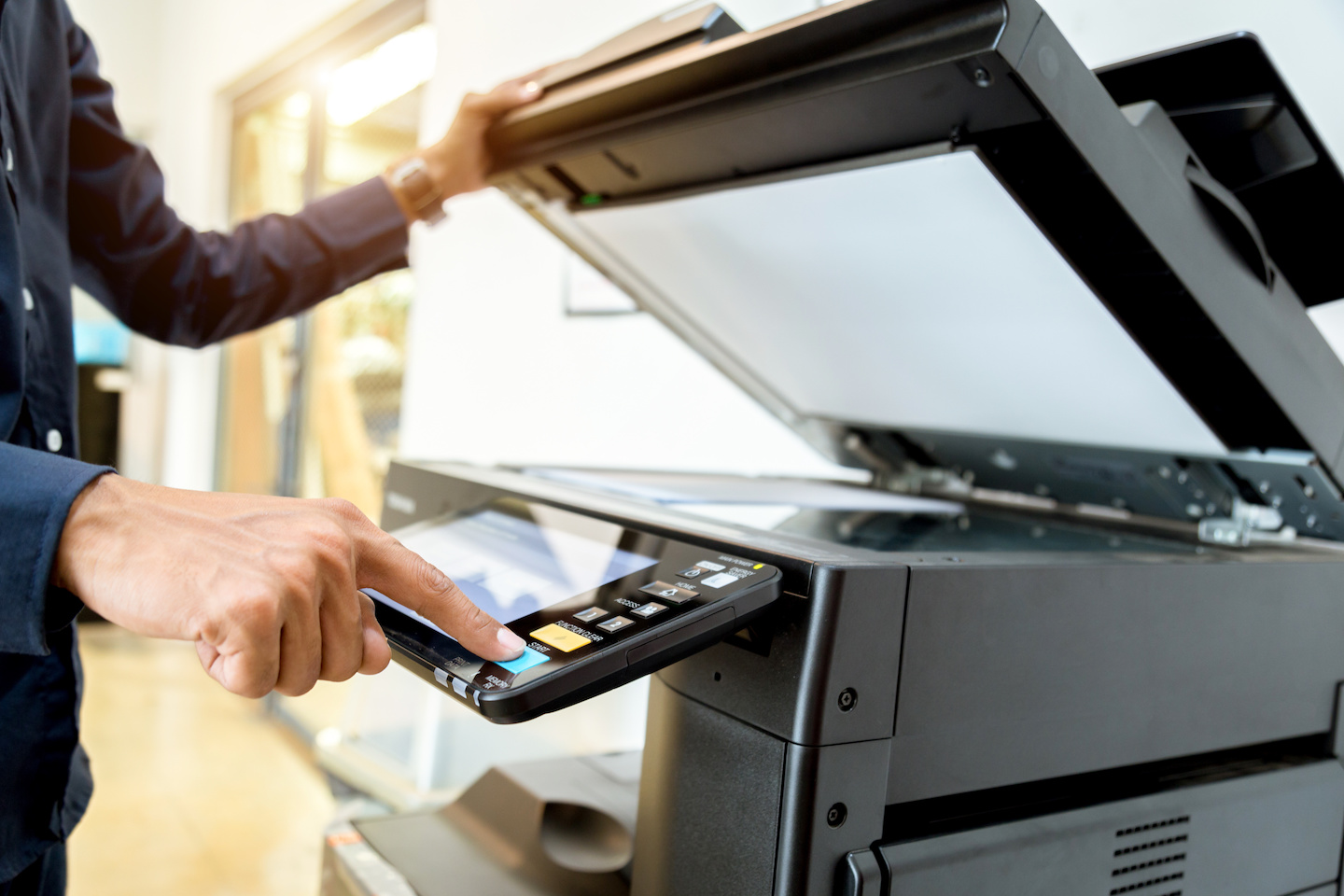
Testing is one of the most important parts of professional refurbishment. Engineers run the machine through repeated printing and copying tasks, checking output quality, paper feeding, duplex printing and finishing features where fitted.
For colour printers, test pages help confirm that colours are balanced and consistent. For multifunction devices, scanning, copying, document feeding and network functions may also be assessed. Error codes, unusual noises and intermittent feeding problems must be investigated before the machine is approved.
How does Printer Refurbishment work? Ultimately, it depends on thorough testing under realistic conditions. A printer may appear functional after producing one page, but repeated tests provide a clearer indication of how it will perform during an ordinary working day.
How does Printer Refurbishment work? Installation and Setup
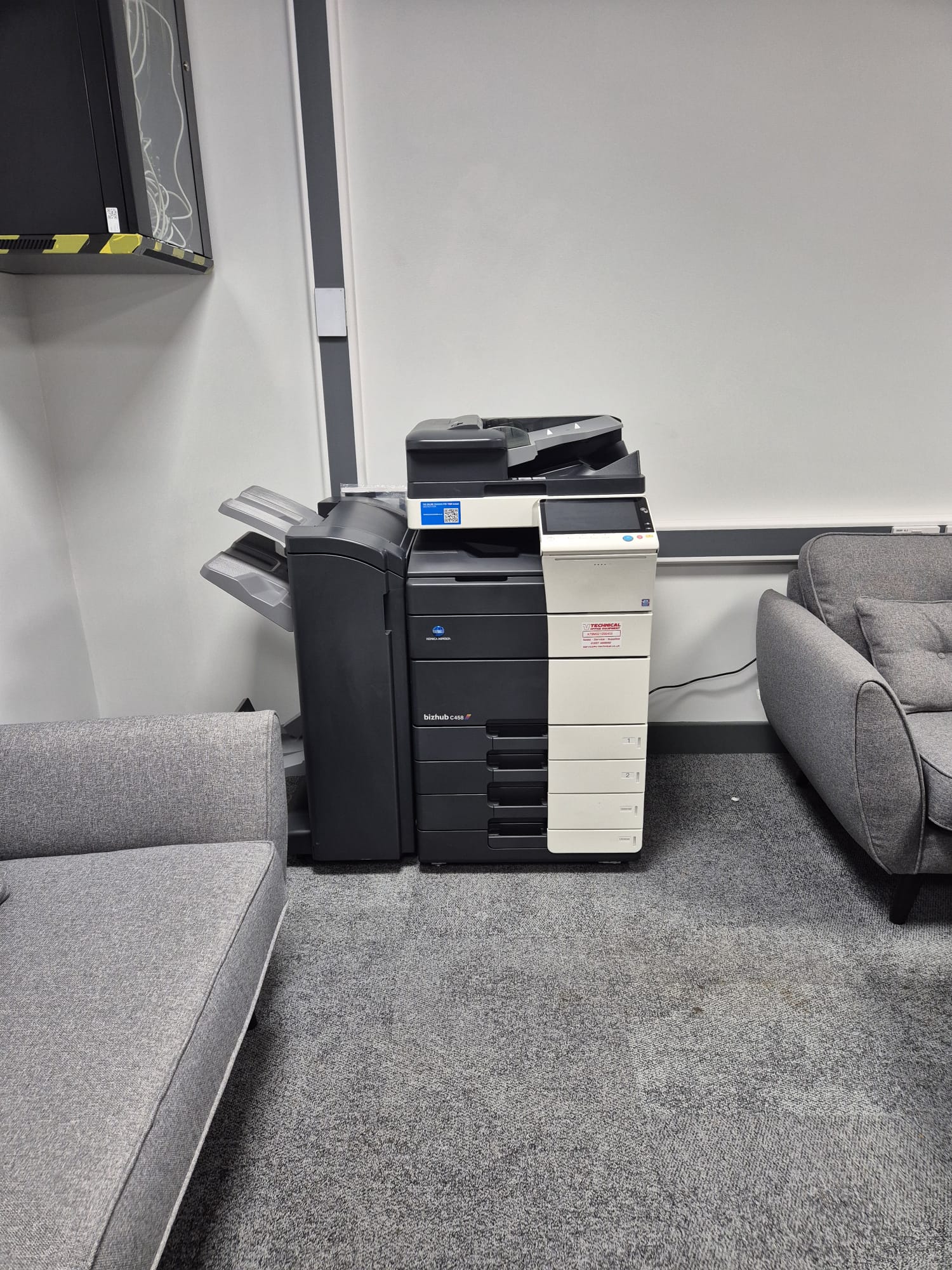
After passing workshop checks, the printer is prepared for delivery and installation. The selected machine should suit the customer’s expected monthly print volume, paper sizes, colour requirements and preferred features. A school may need secure printing and fast document feeding, while a small office may prioritise economical running costs and straightforward scanning.
V Technical supplies refurbished printers and photocopiers to organisations across Sussex, Essex, Surrey and London, as well as its local service area. Installation can include positioning the equipment, connecting it to the network and helping users understand its main controls.
Choosing appropriate equipment is just as important as the refurbishment itself. A machine that is too small for the workload may wear quickly, while an unnecessarily large model could cost more to operate than required.
Environmental and Financial Benefits
Refurbishment extends the useful life of existing office equipment and reduces the need for another machine to be manufactured immediately. It can therefore help businesses and schools reduce waste while still gaining access to professional equipment from established manufacturers.
V Technical also supports toner recycling. Toner cartridges used in its refurbished machines are recycled in the United Kingdom using original equipment manufacturer components, and depleted cartridges can be returned for further recycling. This approach helps reduce plastic waste and supports more responsible use of office supplies.
Refurbished machines are often more affordable than equivalent new models, making them attractive to organisations working within controlled budgets. Customers may be able to obtain higher print speeds, larger paper capacity or more advanced finishing options without paying the full new-equipment price.
Ongoing Service and Maintenance
Even a carefully refurbished printer needs suitable maintenance. Regular servicing can identify worn parts before they cause a breakdown, while prompt repairs can reduce disruption if a fault develops.
V Technical provides regular and ad hoc equipment maintenance, with trained engineers focused on keeping downtime to a minimum. Customers can also consider long- or short-term rental where purchasing equipment is not the preferred option.
For businesses and schools exploring dependable refurbished printers, photocopiers, rental options or maintenance support, the team at V Technical can recommend equipment based on workload, budget and day-to-day requirements.
Frequently Asked Questions
Are refurbished printers reliable?
A professionally refurbished printer can be highly reliable when it has been carefully selected, serviced, fitted with suitable replacement parts and fully tested before installation.
Is a refurbished printer the same as a second-hand printer?
No. A second-hand printer may be sold in its existing condition, while a refurbished machine has normally been inspected, cleaned, serviced and tested by trained engineers.
Can refurbished printers handle busy office use?
Yes, provided the chosen model is suitable for the expected workload. High-volume multifunction printers are designed to manage heavier printing demands than basic desktop machines.
How does Printer Refurbishment work for colour photocopiers?
Colour machines undergo checks covering print consistency, toner delivery, drums, transfer components, paper handling, scanning and copying functions before they are prepared for delivery.